As a dentist who has followed digital tools for years, this is where I explain to colleagues what artificial intelligence can really do today — and how to use it practically in your own practice.
What AI can do
Where AI already helps dentists today
From image analysis to admin work — here are the areas where AI tools already make everyday practice easier.
Available
I built it for my own practice. Now it is open to everyone.
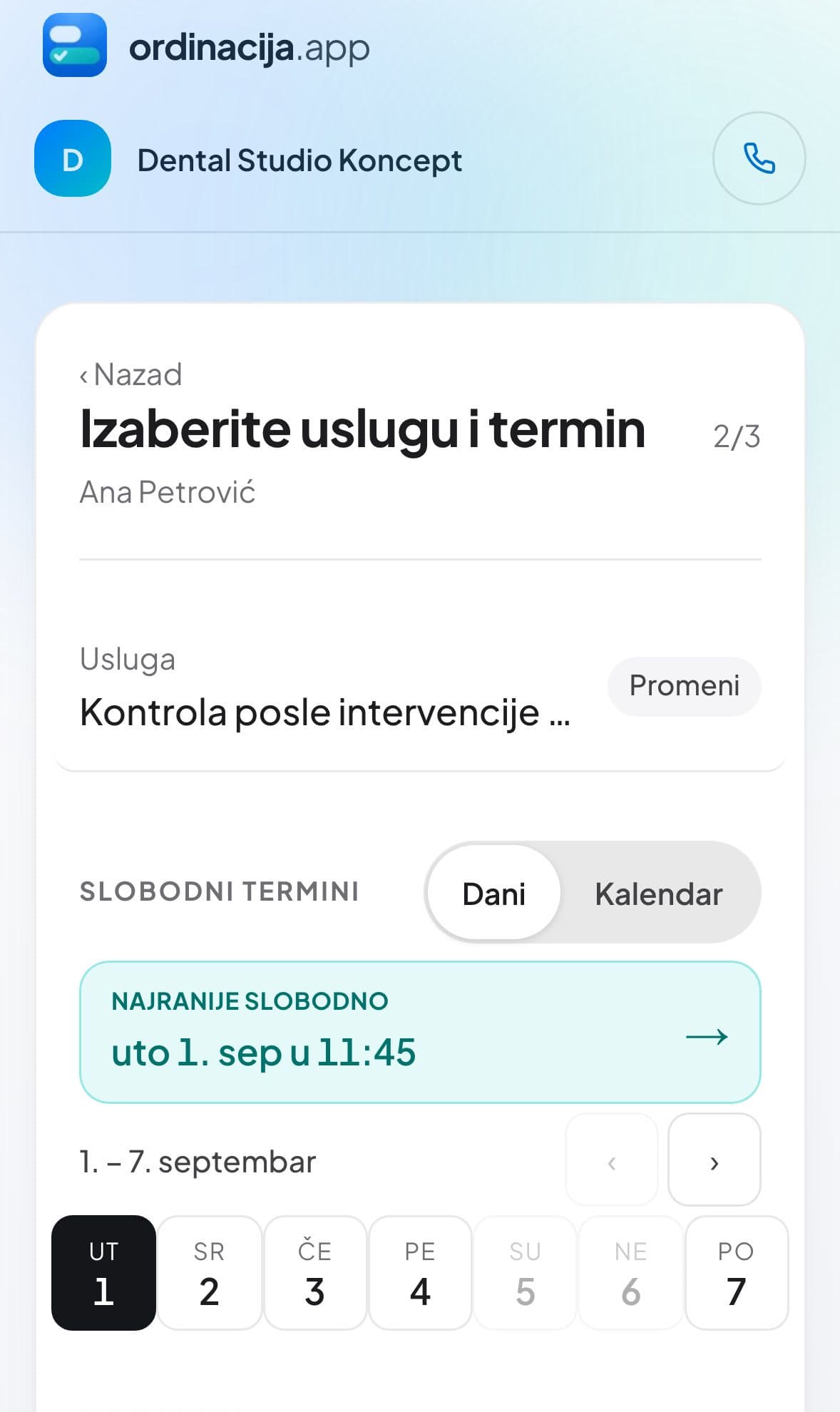
Practice management software: appointments and patients in one place. Patients pick a doctor and a free slot themselves — no phone call, no account. The trial runs for 30 days and no card is required; patient records and billing are part of the paid plan.
- Patients book themselves (direct link, QR code or public search) and reschedule or cancel from the confirmation
- Automatic reminders 24 hours and 3 hours before — on a paid plan
- Works for dentists and for general practitioners
Applying takes a few minutes.
Nothing to pay, no card required. I check every practice against the business register before letting it in — usually the same or the next working day. If you get stuck setting it up, write or call me.
App news on Instagram: @ordinacija.app
 ordinacija.app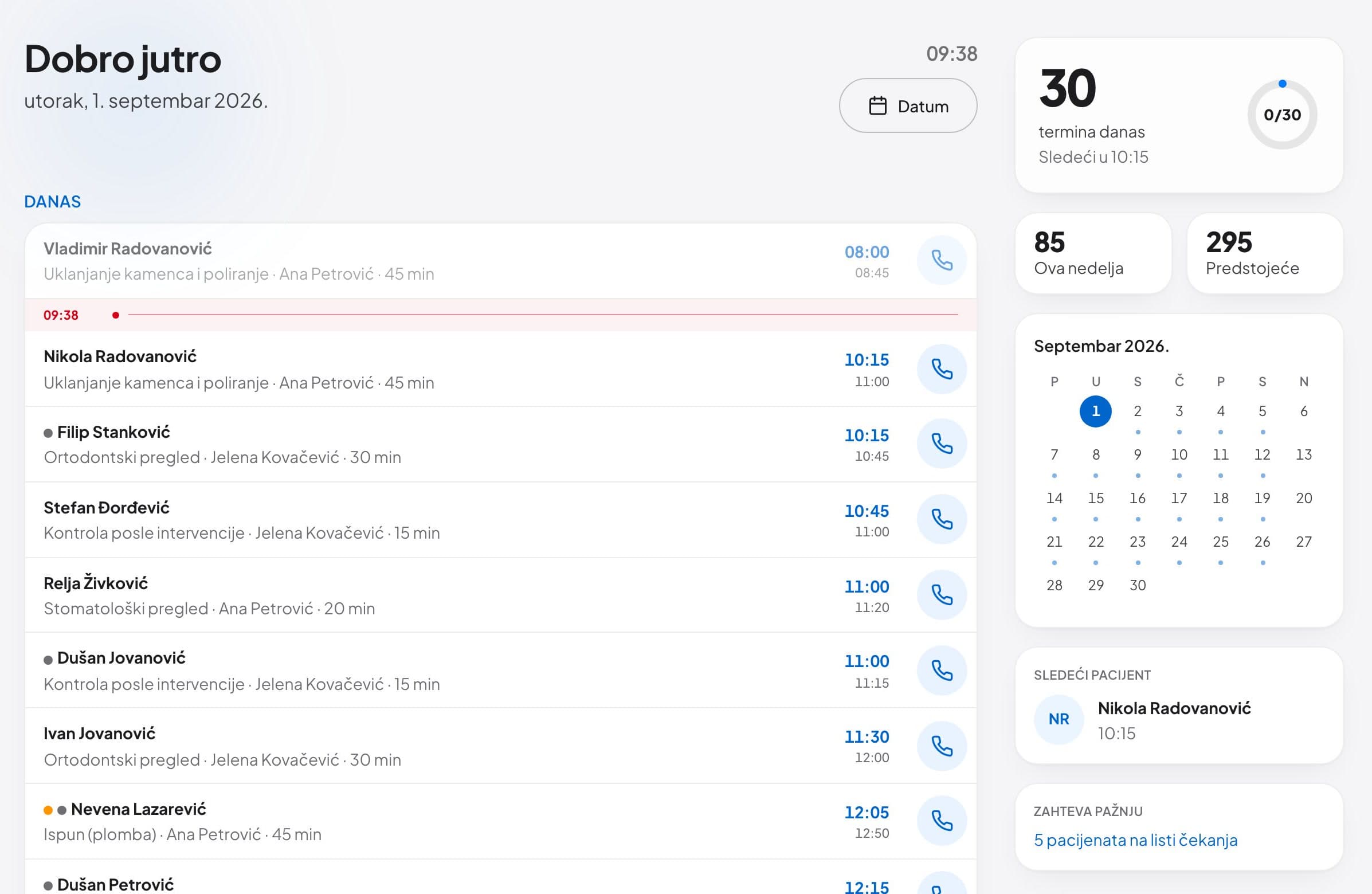
By the numbers
12
Years of clinical experience
3+
Years of AI tools in everyday practice
25+
AI tools covered on the blog
0 €
All content free — from practice, for practice
About Me
Where dentistry meets technology.
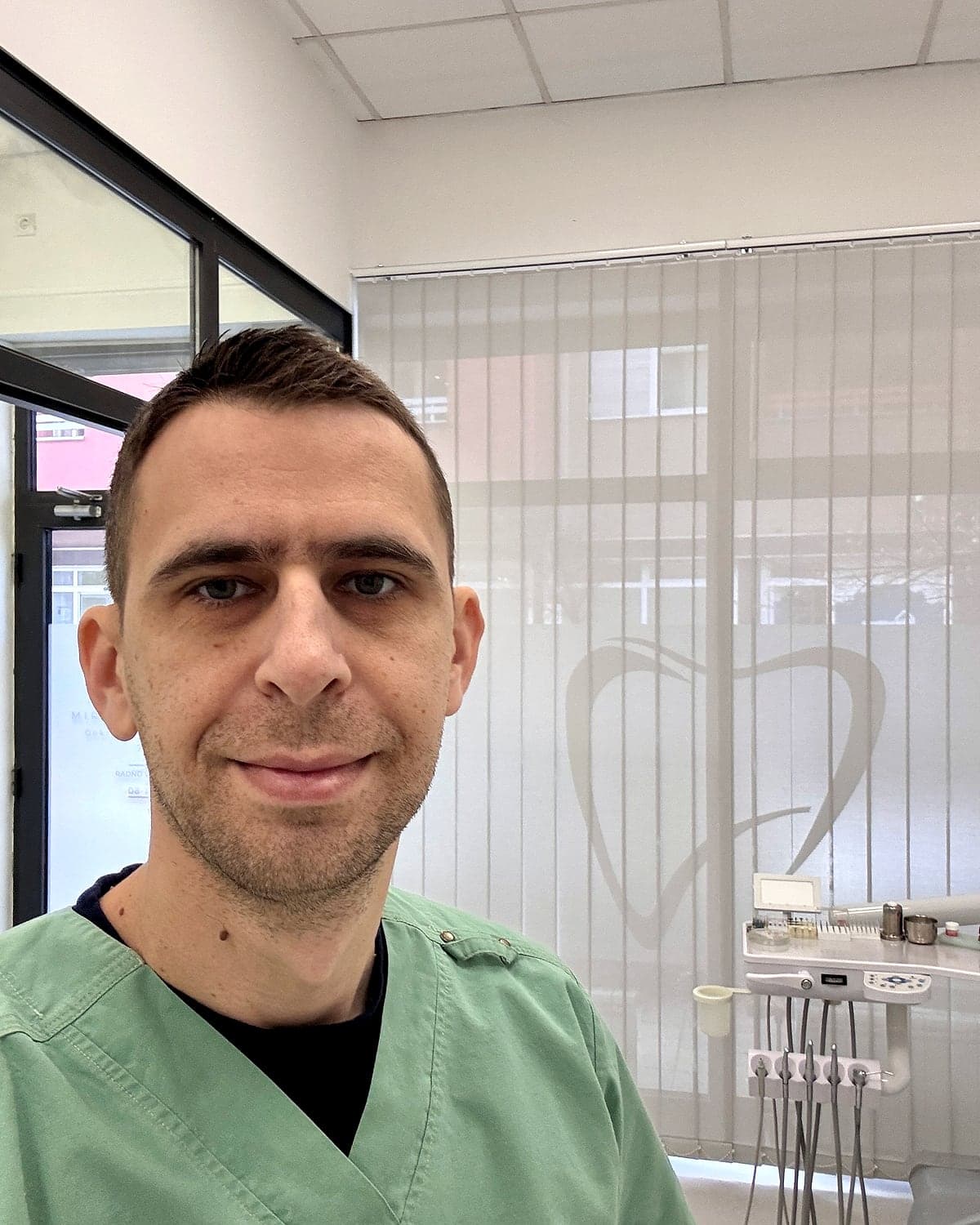
Hi, I'm dr Miroslav Roglić — a dentist with 12 years of clinical experience in my own practice. For as long as I can remember, I've been fascinated by everything new in tech: from the first mobile phones to today's computers, both hardware and software. I'm 40, and the first time I saw what artificial intelligence can really do, I was stunned. It's the stuff we only saw in movies as kids — and today it's right at my fingertips.
In everyday work, AI has become a quiet assistant: it helps me word a message to a patient in just the right tone, draft an official email to the bank, a supplier or an institution, identify a device and its specs from a single photo, or compare several units before a bigger purchase. I've also learned to stay careful — AI can get things wrong, so I double-check anything important; but with the newer models it keeps getting better. Everything I discover along the way, I share with colleagues — through the blog and the newsletter. And one tool I ended up building myself: practice management software, because what I needed most I could not find. From practice, for practice.
- A practitioner, not a theorist — in my own practice every working day
- I use AI tools every day — and verify them before I recommend them
- Free and educational — knowledge open to all colleagues
Where to start
Your path through AI tools, step by step.
Frequently asked questions
Everything you want to know about AI in practice.
No. I try to highlight tools that are simple to use and explain them step by step, in plain language. If you can use a phone, you'll manage these tools too.
Data security is a priority. I only share tools that comply with data protection standards (GDPR), and I explain how to use them in a way that protects your patients' privacy.
Not for now. The content on this site — the blog, newsletter and tool information — is completely free and educational. If you later need more concrete help, feel free to get in touch and we'll see how I can be useful.
It depends on the tool. Many things (e.g. automated reminders or an AI writing assistant) start working within a few days, and you can introduce them yourself, gradually, without disrupting your daily work.
Absolutely not. AI is an assistant that takes over tedious and administrative tasks so you have more time for what only you can do — working with patients. The decisions always remain yours.
Free, right now
Try AI today
I built a few free tools so you can start right away — no account, no cost.
Prompt of the day
„Suggest 10 Instagram post ideas for a dental practice on [topic], each with a short description.”